
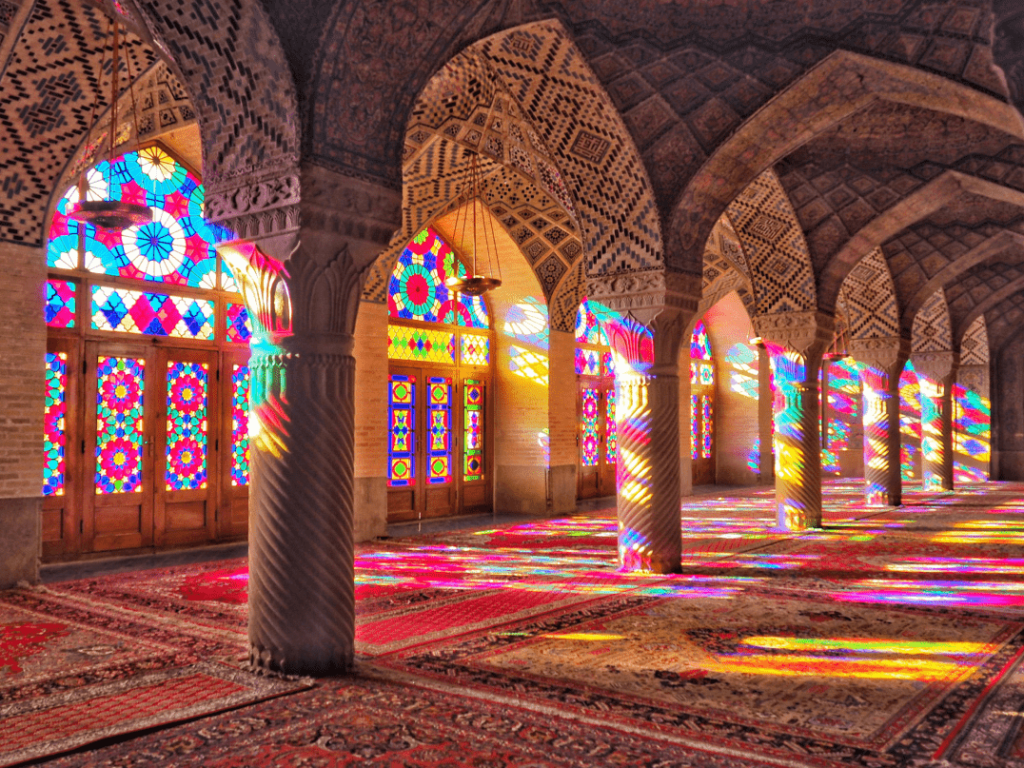


Definition
A hard, brittle substance, typically transparent or translucent, made by fusing sand with soda, lime, and sometimes other ingredients and cooling it rapidly. In the Islamic tradition, it represents a synthesis of artistic beauty and scientific innovation.
| Arabic | زُجَاج |
| Translitertion | zujaaj |
| Pronunciation | |
Grammatical Information
- Part of Speech: Noun (اسم – Ism)
- Gender: Masculine (مُذَكَّر – Mudhakkar)
- Number: Singular (مُفْرَد – Mufrad)
- Note: The plural form is زُجَاجَات (Zujaajaat) specifically for individual glass items.
Example Sentences
| Arabic | Transliteration | English Translation | Pronunciation |
| الزُّجَاجُ الإِسْلَامِيُّ فَنٌّ فَرِيد | azzujaaju ilʼislaamee fannun fareed | Islamic glass is a unique art | |
| صَنَعَ الْعُلَمَاءُ عَدَسَاتٍ مِنَ الزُّجَاج | Sanaʿa ilʿulamaaʾu ʿadasaatin mina izzujaaj | scholars made lenses from glass. | |
| تُزَيِّنُ الْمَصَابِيحُ الزُّجَاجِيَّةُ الْمَسَاجِد | tuzayinu ilmaSaabeeHu izzujaajiyyatu ilmasaajid | glass lamps decorate the mosques. |
Related Words and Phrases
- Synonym (مُرَادِف): بِلَّوْر (Billawr): Crystal or high-quality clear glass.
- Words from the Same Root:
- تَزْجِيج (Tazjeej): Glazing (the process of coating or making something glass-like).
- نَفْخُ الزُّجَاج (nafkhu ilzujaaj): Glassblowing.
Cultural Context
First of all, Islamic glassmaking flourished as artisans in Damascus and Cairo pioneered techniques like gilding and luster painting. Moreover, these advancements were not only visually stunning but also essential for the development of early scientific optics. Consequently, these specialized methods eventually spread to Europe, where they laid the vital technical foundation for the world-renowned Venetian glass industry.