
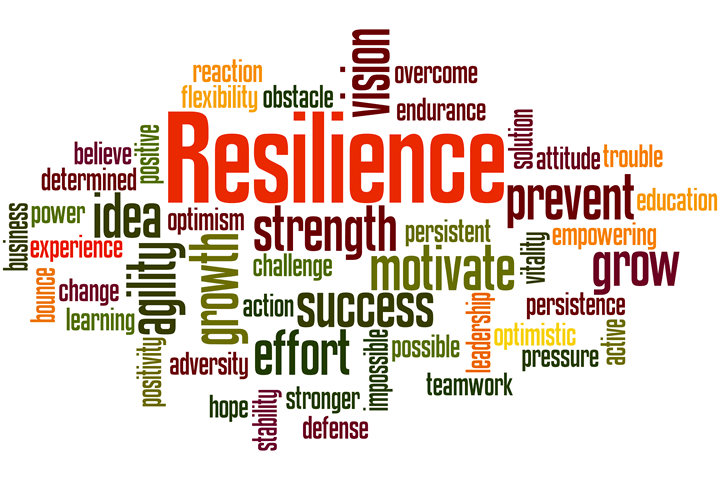


Definition
The ability to bounce back from adversity, endure hardship, and adapt to change. In Arabic, specific terms encapsulate this concept by signifying inner strength, steadfastness, and endurance in the face of challenges..
| Arabic | صُمُود |
| Translitertion | Ṣumūd |
Pronunciation | |
Grammatical Information
- Part of Speech: Noun (اسم – Ism)
- Gender: Masculine (مُذَكَّر – Mudhakkar)
- Number: Singular (مُفْرَد – Mufrad)
Example Sentences
| Arabic | Transliteration | English Translation | Pronunciation |
| يُعْرَفُ هَذَا الشَّعْبُ بِصُمُودِهِ فِي وَجْهِ التَّحَدِّيَات | Yuʿrafu hādhā ash-shaʿbu bi-ṣumūdihī fī wajhi at-taḥaddiyāt | This people is known for its resilience/steadfastness in the face of challenges | |
| الصَّبْرُ مِفْتَاحُ الْفَرَجِ | Aṣ-ṣabru miftāḥu al-faraj | Patience is the key to relief | |
| إنَّ القُوَّةَ لَيسَت في السَّيفِ، بَل في الصُّمُودِ وَالاستِمرار | Inna al-quwwata laysat fī as-sayfi, bal fī aṣ-ṣumūdi wa al-istimrār | Strength is not in the sword, but in resilience and perseverance. | |
Related Words and Phrases
- صَبْر (Ṣabr): Patience or endurance; a foundational virtue and key component of resilience.
- مَتَانَة (Matānah): Robustness, firmness, or durability (Feminine noun).
- مُرُونَة (Murūnah): Flexibility and adaptability (Feminine noun).
- عَزْم (ʿAzm): Resolve or determination.
- هِمَّة (Himmah): Aspiration or high ambition.
Cultural Context
Historical experiences of overcoming adversity, the challenging desert environment, and religious teachings deeply ingrain resilience into Arab culture. This concept aligns closely with the Islamic virtue of ṣabr (patience) and reliance on God. Arabs view resilience as a sign of strong character and faith, not just a survival tactic. Poets and storytellers frequently highlight this quality through the lens of steadfastness (ṣumūd) and self-control.