


Definition
A place where one lives; a residence or dwelling. While often translated as “house,” it carries the emotional weight of “home”—representing the center of family life, comfort, and the heart of the family.
| Arabic | بَيْت |
| Translitertion | bayt |
| Pronunciation | |
Grammatical Information
- Part of Speech: Noun (اسم – Ism)
- Gender: Masculine (مُذَكَّر – Mudhakkar)
- Number: Singular (مُفْرَد – Mufrad)
- Note: The plural form is بُيوت (buyoot).
Example Sentences
| Arabic | Transliteration | English Translation | Pronunciation |
| البَيْتُ حَيْثُ القَلْب | albaytu haythu ilqalb | Home is where the heart is | |
| بَيْتي بَيْتُك | baytee baytuk | My home is your home | |
| أَنا شَخْصٌ بَيْتوتي | ʼana shakhSun baytootee | I am a homebody (a person who likes to stay home) |
Related Words and Phrases
- Synonym (مُرَادِف): مَنْزِل (Manzil): Formally “house” or “dwelling.” Often used to describe the physical structure.
- Words from the Same Root:
- تَبْيِيت (tabyeet): Mining (Planning overnight).
- بَيَّتَ (Bayyata): Mining (To plot / stay overnight).
- مَبِيت (Mabeet): Mining (Lodging / Shelter).
Cultural Context
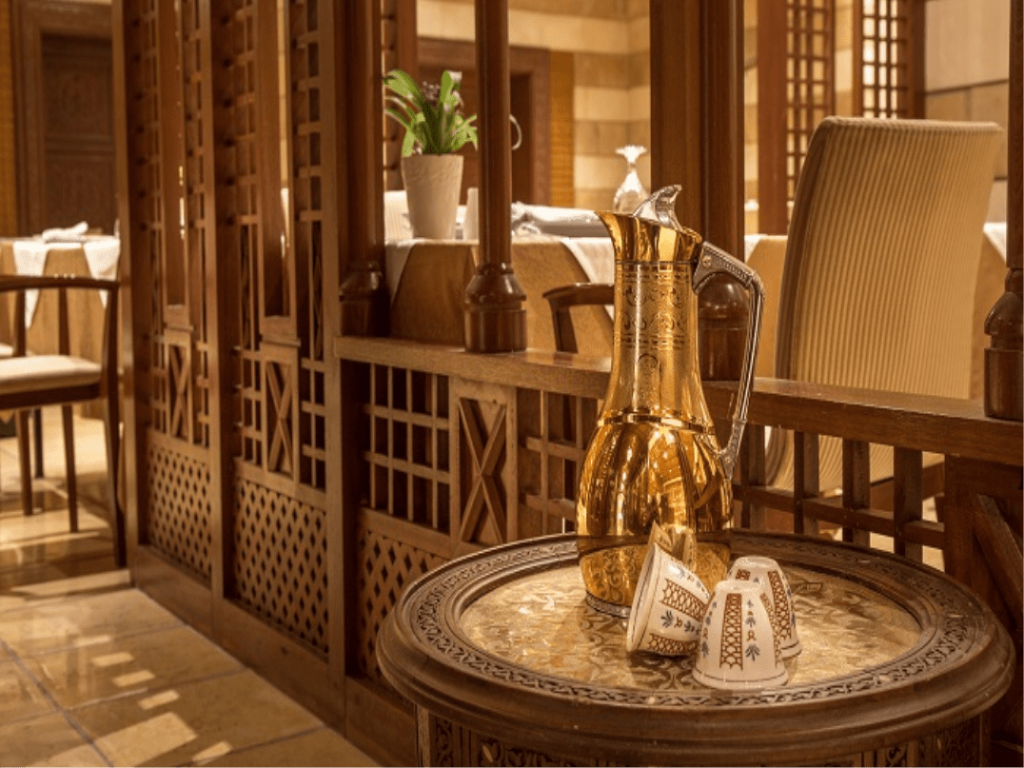
In nearly all Arabic-speaking countries, the bayt plays a central role in the life of the ‘usrah (family). Unlike the Western nuclear family model, an Arabic home is often a hub for the extended family, including grandparents, aunts, uncles, and cousins. In places like Saudi Arabia, houses are architecturally designed to accommodate large groups (10–15 people), with the living room acting as the literal and social heart of the building. Hospitality is paramount; the phrase “Bayti baytak” reflects the deep cultural value of making guests feel as if they are in their own home.