


Definition
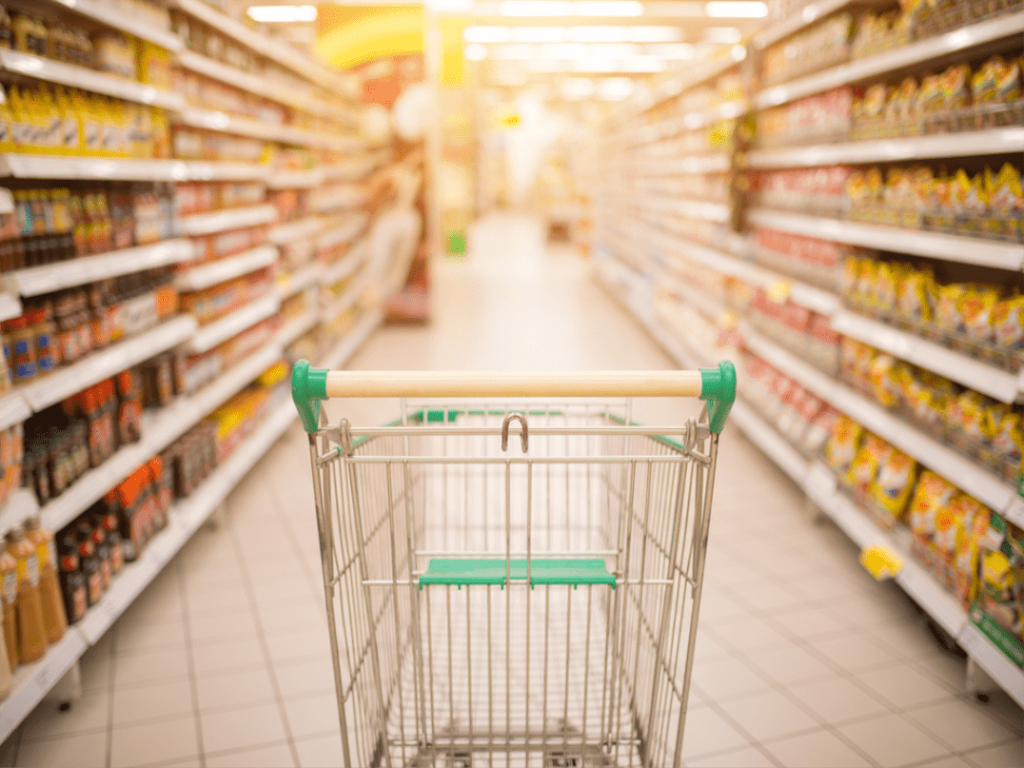
A large self-service store offering a wide variety of food, beverages, and household products, organized into aisles and sections.
| Arabic | سُوبَرْمَارْكِت |
| Translitertion | Sūbarmārkit |
| Pronunciation | |
Grammatical Information
- Part of Speech: Noun (اسم – Ism)
- Gender: Masculine (مُذَكَّر – Mudhakkar)
- Number: Singular (مُفْرَد – Mufrad)
- Note: This is a loanword from English, commonly used in modern urban Arabic.
Example Sentences
| Arabic | Transliteration | English Translation | Pronunciation |
| أَذْهَبُ إِلَى السُّوبَرْمَارْكِت لِشِرَاءِ بَعْضِ الْخَضْرَاوَات | ʾAdhabu ʾilā as-sūbarmārkit li-shirāʾi baʿḍi al-khuḍrawāt | I go to the supermarket to buy some vegetables. | |
| يَقَعُ السُّوبَرْمَارْكِت الْكَبِيرُ بِجَانِبِ الْمَسْجِد | Yaqaʿu as-sūbarmārkit al-kabīru bi-jānibi al-masjid | The big supermarket is located next to the mosque. | |
| هَلْ زُرْتَ السُّوبَرْمَارْكِت الْجَدِيد؟ | Hal zurta as-sūbarmārkit al-jadīd? | Have you visited the new supermarket? | |
Related Words and Phrases
- Synonym (مُرَادِف):
- بِقَالَة (biqāla): Grocery store / small shop.
- مَحَلّ بَقَالَة (maḥall biqāla): Grocery place (more traditional).
- سُوق مَرْكَزي (sūq markazī): Central market (often used for large supermarkets).
- Words from the Same Root: Since “supermarket” is a loanword, it does not have a traditional Arabic root. However, the related word بِقَالَة (biqāla) comes from the root ب – ق – ل:
- بَقْل (baql): Herbs or greens/vegetables.
- بَقَّال (baqqāl): Grocer (the person who sells groceries).
- تَبَقَّلَ (tabaqqala): To browse for or gather greens.
Cultural Context
The “supermarket” concept is a modern addition to the Arab world, particularly in bustling cities where international chains and large local brands offer one-stop convenience. Historically, shopping was—and in many places still is—a more specialized and social activity.
People traditionally frequented the souk (market), visiting a separate butcher for meat, a baker for bread, and a local biqāla (grocer) for dry goods. While supermarkets are now common, the local biqāla remains a cultural staple for quick needs and daily social interaction within neighborhoods.