
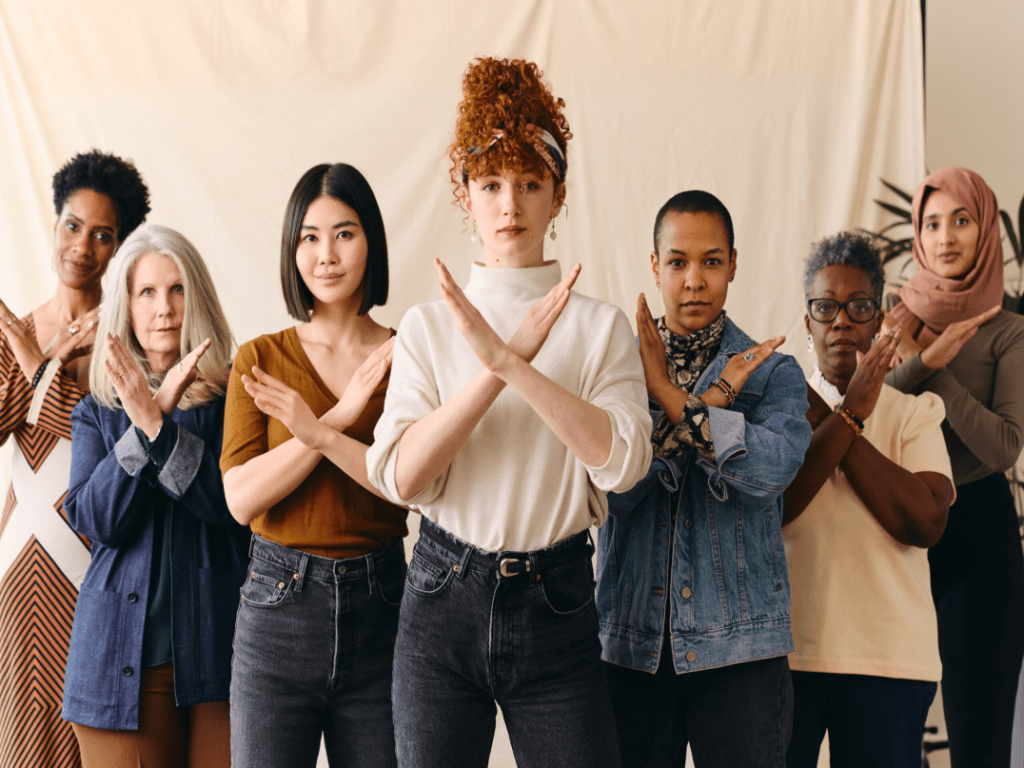


The role of women in the MENA region is evolving. This shift is marked by significant strides in empowerment alongside persistent challenges. For centuries, women have been foundational to society, yet their public and political contributions were often understated. Today, a new narrative is unfolding. Women, particularly in North Africa, are actively shaping their futures and advocating for gender equality. This article explores the dynamic landscape of empowerment, highlighting both remarkable achievements and ongoing hurdles.
The Path Forward: Addressing Challenges for Women in North Africa
Despite considerable progress, women in North Africa still navigate complex obstacles. These barriers hinder their full participation in society. They range from political underrepresentation to deeply entrenched social norms.
Political Participation
Following the Arab Spring, women actively called for change. However, their presence in decision-making roles remained limited. Some post-revolutionary parliaments saw very low female representation. This exclusion is a critical area for improvement. It underscores the need for policies that ensure inclusive political processes.
Mobility and Freedom
In several countries, women still face restrictions on movement. Some rules require male-guardian permission to travel or leave home. These rules are often justified as “protection,” but they severely limit access to education and jobs. This makes women vulnerable to control. Activists are now campaigning tirelessly for autonomy and human rights.
Economic Opportunity
Low female employment rates remain a major challenge. Many women struggle to find jobs that match their skills, despite being well-educated. Solving this requires better policies. We need to support female entrepreneurs, provide vocational training, and ensure fair hiring.
Combating Violence
Gender-based violence is a pervasive issue across the region. Efforts are ongoing to strengthen policy frameworks and reform discriminatory laws. Raising public awareness is a crucial step. Challenging the norms that perpetuate violence is essential for creating safe environments.
Milestones and Achievements: The Strength of Women in North Africa
Amidst these challenges, women have achieved remarkable milestones. Their resilience has led to significant shifts in legal frameworks and societal perceptions.
Legislative Reforms
Tunisia was a pioneer with its 1956 Personal Status Code. Similarly, Morocco successfully reformed its Family Law (Moudawana). This was driven by the “One Million Signatures” campaign. These reforms are vital for securing legal equality and dismantling discrimination.
Active Roles in Movements
Women have consistently been at the forefront of change. They were pivotal in nationalist movements and anti-colonial struggles. More recently, they played prominent roles in the Arab Spring. Their activism pushes critical issues into public discourse and drives democratic reform.
Inspiring Trailblazers
North Africa boasts numerous leaders who have broken barriers:
- Aya Chebbi (Tunisia): An award-winning feminist and the first AU special envoy on youth.
- Manal Rostom (Egypt): A marathon runner and mountaineer who competed in the New York Marathon wearing the Nike Pro hijab.
- Rania Alwani (Egypt): A social entrepreneur and activist representing Egypt in international forums.
- Hajer Sharief (Libya): A human rights advocate dedicated to involving women and youth in peace-building.
Collaborative Efforts for Empowerment
International and local organizations are crucial to these initiatives. UN Women works extensively across the region to broaden leadership and political participation. They also focus on economic programs and ending violence. These efforts often happen in partnership with national women’s groups and civil society.
Conclusion: A Continuous Journey
The journey of empowering women in North Africa is a testament to their enduring spirit and dedication. While significant progress has been made in education, health, and legal reforms, challenges related to political representation, mobility, and economic equality persist. The continued advocacy of women’s rights activists, coupled with the support of international and local organizations, is vital. By fostering inclusive environments and celebrating the achievements of women, the region can move closer to fully realizing the potential of all its citizens, building more equitable and prosperous societies for the future.
If you want to learn more about Arab culture, visit our blog on www.kaleela.com and don’t forget to download the Kaleela app to learn dialects.